
City Withdraws Rule 91a Motion After Judge Questions Its Legal Strategy
When someone is injured in a crash involving a City of Houston vehicle, the fight over responsibility can extend far beyond what happened on the road. Governmental immunity, emergency-response defenses, procedural motions, and access to evidence can all become part of the case.
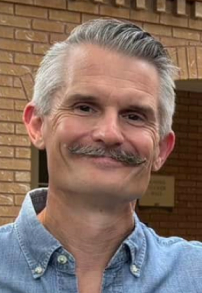 That issue recently drew scrutiny in a Houston police crash lawsuit handled by Smith & Hassler attorney Daragh Carter. The Houston Chronicle reported that the City of Houston withdrew a Rule 91a motion seeking dismissal of the lawsuit after state District Judge Kristen Hawkins questioned the city's legal strategy and requested additional briefing.
Carter represents a woman whose vehicle was struck by an on-duty Houston police officer in East Downtown. According to the Chronicle, the city argued that it wasn't liable because the officer had activated the patrol vehicle's lights and siren and was responding to an emergency. The newspaper reported that dashcam footage and the officer's own police report appeared to conflict with those assertions.
The city withdrew its motion before providing the additional briefing the judge had requested.
The Judge Questioned the City's Position: Judge Kristen Hawkins requested additional briefing after raising concerns about whether the motion was a legitimate use of Rule 91a.
Video and the Police Report Mattered: The Chronicle reported that dashcam footage and the officer's own report appeared to contradict important assertions supporting the city's emergency-response argument.
The Motion Was Withdrawn: Rather than submit the additional briefing ordered by the court, the city withdrew its Rule 91a motion.
The Issue Goes Beyond One Case: The Chronicle reported that Houston has used Rule 91a motions repeatedly in police crash litigation and that other courts have also questioned aspects of the city's legal strategy.
What Daragh Carter Said About the City's Approach
After the city withdrew the motion, Carter questioned whether Houston's repeated use of Rule 91a in police crash cases was serving the legal system or the public.
“Whoever is in charge of civil litigation for the city needs to take a long look at what they're doing with these motions.”
— Daragh Carter, as quoted by the Houston Chronicle
The Chronicle reported that Judge Hawkins had expressed similar concerns from the bench, questioning whether the motion could amount to a waste of judicial resources and taxpayer money.
Houston's legal department didn't identify a specific reason for withdrawing the motion. In a statement reported by the Chronicle, the city said its attorneys take court opinions seriously and will continue reviewing motions, appeals, and defenses to make sure their filings comply with Texas law and court rules.
What Does a Rule 91a Motion Do in Texas?
Texas Rule of Civil Procedure 91a allows a party to ask a court to dismiss a cause of action that has no basis in law or fact.
The rule is unusual because the court generally doesn't weigh evidence when deciding the motion. Instead, the judge looks at the allegations in the pleadings, along with permitted pleading exhibits, and determines whether the claim can legally proceed.
A claim can lack a legal basis when the allegations, even if accepted as true, wouldn't entitle the plaintiff to relief. A claim can lack a factual basis when no reasonable person could believe the facts alleged.
That makes Rule 91a a potentially powerful tool for eliminating legally baseless claims early. But when the underlying dispute involves contested facts about how a crash occurred, what an officer was doing, or whether an emergency actually existed, the procedural posture can become far more complicated.
Why the Emergency-Response Issue Matters in a Police Crash Case
A collision involving a police vehicle isn't governed by exactly the same rules as an ordinary crash between two private motorists.
The Texas Tort Claims Act contains an emergency-response exception that can protect a governmental entity from certain claims arising from an employee's actions while responding to an emergency call or emergency situation when the statutory requirements are met.
That doesn't mean every collision involving a police officer automatically falls within the exception. Whether the protection applies can turn on what the officer was actually doing, whether an emergency existed, how the vehicle was being operated, and whether the officer's conduct satisfied the applicable legal standard.
According to the Chronicle, Houston argued in Carter's case that the officer was responding to an emergency and had the patrol vehicle's lights and siren activated. The newspaper reported, however, that the available dashcam footage and the officer's police report appeared to raise questions about that version of events.
Those kinds of factual disputes show why someone injured in a government-vehicle crash may need a lawyer who can look beyond the initial defense, obtain the underlying records, and compare what the city says happened with what the evidence actually shows.
Dashcam Footage Can Change the Direction of a Crash Case
Video can be especially important when two versions of a collision don't match. Unlike a driver's memory or a later description of events, a recording can preserve vehicle position, movement, traffic conditions, lights, timing, and sometimes what happened in the seconds before impact.
Smith & Hassler has seen firsthand how dashcam and surveillance video footage can affect a Texas car accident claim. Carter himself was involved in a separate 2022 collision with an HPD patrol vehicle, and his dashcam recorded that crash from beginning to end.
The current lawsuit is a different case involving a different client and collision. But both illustrate the same point: evidence created at the time of a crash can become critical when later arguments about fault or liability don't line up with what happened on the road.
A lawyer investigating a serious collision can move quickly to identify and preserve police dashcam footage, body-camera video, nearby surveillance recordings, vehicle data, dispatch information, reports, witness accounts, and other evidence before it becomes harder to obtain.
The Chronicle Found Broader Questions About Houston's Use of Rule 91a
The Chronicle's reporting went beyond Carter's case.
Its review of court records found that Houston had filed Rule 91a motions in a majority of the first 20 police crash lawsuits filed against the city in state court during 2026. The article also pointed to several occasions when state appellate courts had rejected the city's Rule 91a arguments.
The newspaper separately examined federal litigation involving police vehicle crashes, including another case in which appellate judges questioned Houston's continued efforts to avoid liability. That separate case ultimately resulted in a $13 million judgment after a police officer struck and killed a 75-year-old driver. Appeals remained pending at the time of the Chronicle's report.
Those other cases don't determine what will happen in Carter's client's lawsuit. Each police crash claim depends on its own facts, evidence, procedural history, and applicable law. But the pattern identified by the Chronicle raises a broader question about how aggressively Houston should use early-dismissal procedures in lawsuits brought by people injured in crashes involving city vehicles.
Claims Against the City Can Require a Different Kind of Investigation
An injured person may look at a crash involving a police cruiser and assume it should work like any other Houston car accident claim. It often doesn't.
Claims involving governmental entities can raise immunity defenses, statutory exceptions, special notice issues, and procedural arguments that aren't normally part of a claim against a private driver. Meanwhile, important evidence may be held by the same government agency involved in the collision.
That makes an independent investigation particularly important. A lawyer can compare police reports with video, dispatch records, vehicle data, witness testimony, and other evidence rather than accepting one version of the crash simply because it came from a government entity.
Early investigation also matters because evidence doesn't necessarily remain available forever. Video can be overwritten, witnesses can become harder to locate, and electronic records may be more difficult to reconstruct as time passes.
Daragh Carter Brings Extensive Trial Experience to Serious Injury Cases
Carter has practiced with Smith & Hassler since 2006 and focuses his work on personal injury and insurance bad faith litigation. He is board certified in personal injury trial law by the Texas Board of Legal Specialization and has tried numerous cases to jury verdicts, including cases resulting in verdicts above available insurance policy limits.
He also teaches trial advocacy as an adjunct professor at the University of Houston Law Center, where he earned his law degree magna cum laude.
That trial background matters when a defendant isn't simply disputing how much a case is worth, but is arguing that the injured person shouldn't be allowed to proceed with the claim at all.
Smith & Hassler has represented injured people in Houston and throughout Texas since 1989. Our attorneys investigate the evidence, challenge defenses that aren't supported by the facts or the law, and prepare serious cases for trial when that's what it takes to protect a client's interests.
If you were injured in a crash involving a police vehicle, another government vehicle, or a negligent driver in the Houston area, contact Smith & Hassler for a free case evaluation. We can review what happened, identify the evidence that needs to be preserved, and explain the legal options that may be available to you.